Machinery Installation & Removal in Saudi Arabia | Taqnia Technical Services
Heavy machinery installation and removal across KSA: site assessment, rigging, alignment, anchoring, utility hook-up, and safe decommissioning for factories.
We handle new installs, line expansions, and full decommissioning. That includes lift plans, foundation checks, leveling, anchoring, and the mechanical and electrical connections your OEM or site drawings call for.
Crews work to an agreed method statement so production, HSE, and facilities know the sequence before tools hit the floor. When a machine must come out, we isolate services, dismantle in order, and leave the bay ready for the next install or civil work.
Installation and removal crews for factories across Saudi Arabia.
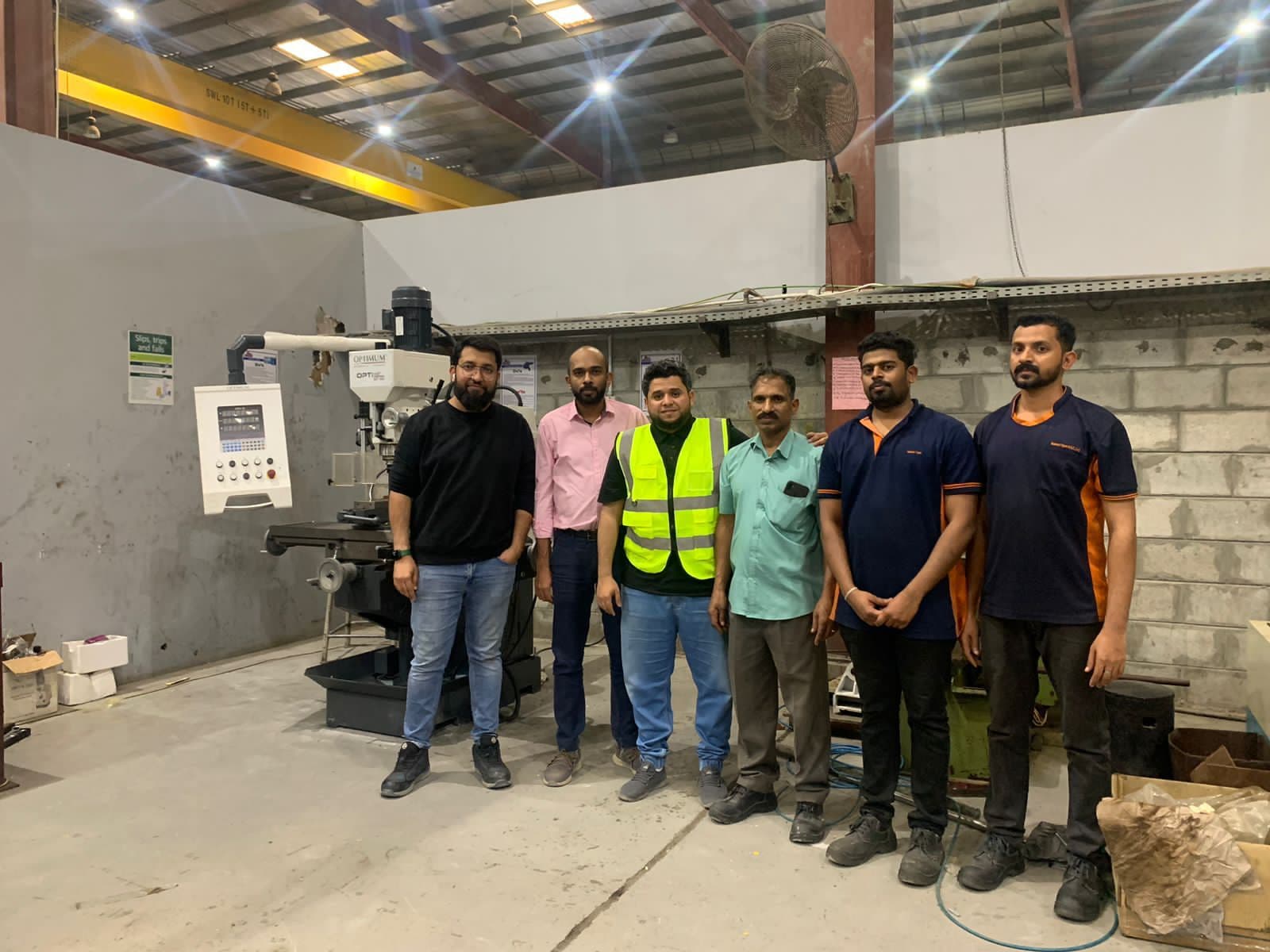
How we run your project
Site evaluation
We assess your facility, foundations and utilities.
Planning
Detailed execution plan and timeline.
Execution
Installation or removal by trained crews.
Testing & handover
Testing, calibration and documentation.
What this service covers
From offload to a machine that is ready to run
Machinery installation is more than placing a frame on a pad. Foundations must take the load. Anchor bolts must match the base. Cable routes, air lines, and coolant must reach the right terminals. If any of that is rushed, you get soft-foot problems, vibration, leaks, or a machine that will not hold OEM settings.
TAQNIA Technical Services plans the full sequence for factories in Saudi Arabia: survey, lift, set, hook-up, and checks. The same discipline applies when we remove equipment. We isolate services, dismantle in order, and leave the bay ready for the next install or civil work.
Typical equipment
We install and remove industrial units that need controlled lifting and precise seating.
- CNC tools and machining centers
- Lathes and milling machines
- Presses and forming equipment
- Packaging and process lines
- Workshop and maintenance machines
- Other heavy industrial units
When to call us
Common reasons plants book installation or removal
If any of these sound familiar, a structured install or removal plan will save time on site.
New line or machine arrival
A new CNC, press, packaging cell, or process unit is arriving and you need a clear plan from offload to first run.
Plant expansion or layout change
You are shifting machines to free space, add capacity, or separate process zones without long unplanned stops.
Decommissioning and replacement
Old equipment must come out safely so foundations, pits, and utilities can be prepared for the next machine.
Imported equipment with tight tolerances
OEM specs call for precise leveling, alignment, and documented install steps before warranty support applies.
Why choose us
Why plants work with TAQNIA for installation and removal
We manage the path from delivery to a machine that is seated, connected, and checked. You get one accountable partner instead of separate lift, fit, and electrical handoffs.
One crew for install and removal
The same team can remove old equipment, prepare the bay, and set the new machine. That cuts handoff gaps between contractors.
Heavy lift and precision work together
We plan the lift first, then finish with leveling, anchoring, and hook-up so the machine sits where it was designed to run.
Clear plans before tools hit the floor
You get a method statement, sequence, and access plan so production, HSE, and facilities know what happens on each shift.
Less disruption to running lines
We stage work around your outage windows, protect nearby equipment, and keep walkways and emergency routes clear.
Standards-minded execution
We follow agreed OEM guidance, site HSE rules, and local safety practice for locking out energy and controlling lifts.
Installation scope
What we do on a typical install
Scope is agreed up front against your drawings and OEM notes. Below is the work we most often include for industrial machine installation in Saudi Arabia.
Positioning, leveling, and anchoring
We set machines to drawing coordinates, check level and soft-foot conditions, and anchor to the foundation or base so vibration and drift stay under control.
Mechanical and utilities hook-up
We connect mechanical interfaces, cable trays where needed, and power, air, coolant, or hydraulic lines to the point agreed in the method statement.
Rigging and heavy lifts
Lift plans cover access routes, crane or forklift selection, spreader beams, and load paths so large frames and cabinets move without damaging floors or neighboring lines.
Function checks before handover
After install we run agreed checks: rotation direction, limit switches, basic motion, leak checks, and punch-list closeout so the line is ready for commissioning or production trials.
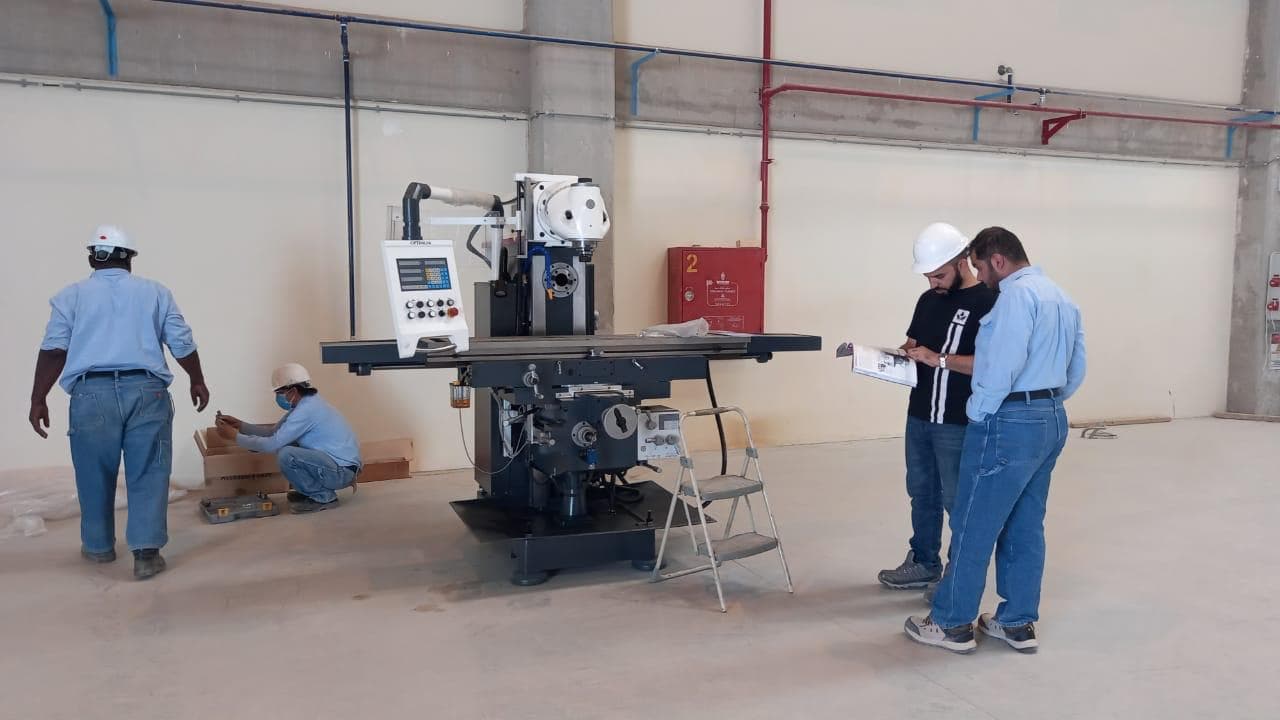
Built for production floors, not showrooms
We work around live plants: limited crane windows, shared aisles, and neighboring lines that must keep running. The install plan accounts for those constraints so your outage stays predictable.
When the job includes relocation, we can also support disassembly, transport coordination, and reinstallation through our related factory relocation services.
Machinery removal
Safe removal and decommissioning
Removal is planned like an install, only in reverse. We protect pits, rails, and floor slabs, and we stop work if a utility or structural risk appears that was not in the survey.
- Lockout and disconnect of mechanical, electrical, hydraulic, and pneumatic services in a written sequence.
- Lift planning that matches machine weight, center of gravity, and available crane or forklift capacity.
- Packing and load securing for yard storage or transport when the machine will be reused or sold.
- Bay cleanup and marking so civil or the next install crew can start without guessing what remains live.
Site preparation
Ready for the next machine or layout
After removal we help you leave a clear floor: old anchors cut or marked, debris removed, and open utilities capped or tagged. That keeps the next install or civil package from discovering surprises mid-shift.
If you are modernizing a workshop or production cell, we can coordinate removal and new installation as one program so downtime stays in one planned window.
Deliverables
What you receive at handover
Exact documents depend on project size, but these items are standard on most installation and removal jobs.
Everything is written for your maintenance file, not locked in a sales deck.
- 01
Site survey notes covering access, foundations, utilities, and lift constraints
- 02
Method statement and lift plan for the agreed scope
- 03
Installed machine positioned, leveled, and anchored as specified
- 04
Mechanical and electrical interfaces connected to the agreed termination points
- 05
Function checks and punch list with open items flagged before handover
- 06
Photo record and basic as-installed notes for your maintenance file
Industries we serve
Installation and removal across industrial sectors
Different plants have different rules. Hygiene zones, explosion-risk areas, and precision machining cells each change how we stage people and lifts.
Automotive and aerospace
CNC machines, robotic cells, and precision lines where alignment and floor loading matter.
Pharmaceutical and biotech
Equipment setup in controlled areas, with care for clean routes, seals, and documented checks.
Heavy industry and metalworking
Presses, mills, lathes, and fabrication equipment that need heavy lift planning and solid anchoring.
Food and beverage
Processing and packaging machines installed with hygiene and washdown access in mind.
Energy and petrochemical
Industrial equipment installs on sites with strict permit-to-work and energy isolation rules.
Cement and building materials
Workshop and maintenance machines for plants that keep large rotating assets online.
Service area
Coverage across Saudi Arabia
We support machinery installation and removal in Riyadh, Dammam, Jubail, Jeddah, Yanbu, and Al-Kharj, and we travel to other industrial sites when the project needs it. If your plant sits inside an industrial city or a private compound, tell us the access rules early so permits and gate passes are ready before the lift day.
For city-specific pages, see our service areas. For leveling-only or startup work after install, see installation and commissioning.
Step-by-step process
How a machinery installation project runs
The sequence below is the default. We adjust steps when OEM manuals, plant HSE, or civil works require a different order.
Site evaluation and planning
We walk the bay, check foundations and utilities, confirm crane access, and list risks. You get a method statement, lift outline, and a schedule that fits your outage window.
- ·Foundation, pit, and anchor review against drawings
- ·Utility and cable-route check to the agreed termination points
- ·Logistics plan for truck unloading and indoor moves
Handling, positioning, and hook-up
Crews execute the lift plan, set the machine, level and anchor it, then connect mechanical and electrical interfaces. We pause for hold points you or the OEM require.
- ·Controlled lift with certified gear and spotters
- ·Leveling, soft-foot checks, and anchoring
- ·Power, air, coolant, or hydraulic connections as scoped
Testing, documentation, and handover
We run the agreed function checks, close punch-list items we can finish on the day, and hand over photos plus notes for your maintenance file.
- ·Basic motion, rotation, and leak checks
- ·Punch list with open items clearly marked
- ·Handover walkthrough with your supervisors
Project example
Workshop setup and industrial machine installation for YAMAMA Cement
TAQNIA delivered the Yamama Project for YAMAMA Cement Company: a fully equipped workshop with the industrial machines needed for plant maintenance work. The job covered layout, machine installation, and readiness for day-to-day workshop use.
What we handled
- Workshop layout and machine zoning
- Installation of key mechanical workshop equipment
- Positioning and organization for practical maintenance work
Outcome
The workshop was ready for machining, shaping, and hands-on maintenance support without inventing performance percentages. See the full write-up for photos and scope detail.
Frequently asked questions about machinery installation
1. What does a typical machinery installation project include?
Most jobs cover site checks, lift and rigging plans, positioning, anchoring, mechanical and electrical hook-up, basic function tests, and a handover pack with photos and punch-list items closed out.
2. What industries need specialized machinery installation?
Automotive, pharmaceutical, aerospace, food and beverage, cement, metalworking, and general manufacturing all need careful setup when machines must meet OEM tolerances, hygiene rules, or heavy-lift constraints.
3. What safety steps do you follow during equipment removal?
We isolate energy sources, disconnect mechanical and electrical interfaces in sequence, confirm floor and crane capacity, then lift with certified gear. The goal is a controlled move that protects the machine and the building.
4. Can you install large or imported equipment?
Yes. We handle heavy industrial machines and equipment supplied from regional or international OEMs. We work from drawings, manuals, and site conditions so the install matches the intended layout.
5. Do you offer support after installation?
Yes. We can stay for fine-tuning, operator walkthroughs, and ongoing maintenance through our technical maintenance services.
6. Can you run a full turnkey factory installation?
Yes. We can plan and execute multi-machine setups, including removal of old equipment, site prep, new installs, and readiness checks before production starts.
7. Which cities in Saudi Arabia do you cover?
We support installation and removal work across major industrial areas including Riyadh, Dammam, Jubail, Jeddah, Yanbu, and Al-Kharj, plus other sites by arrangement.
Related services
Explore related technical services
Logical next steps that often follow this work-installation, commissioning, maintenance, and modernization across Saudi Arabia.
Plan your next install or removal
Send drawings, machine lists, or site photos and we will outline scope, access needs, and next steps.
Request a Quote